Corrosion Resistance
Composite pipe is often reviewed where seawater, saline service, produced water, or corrosive process media create long-term maintenance pressure on metallic systems.
Applications
Review major service environments, compare typical material routes, and move into the application page that matches your operating conditions.
Why Composite Pipe
Composite pipe is often reviewed where seawater, saline service, produced water, or corrosive process media create long-term maintenance pressure on metallic systems.
Reduced structural weight can simplify handling, offshore lifting, route installation, and package planning compared with heavier metallic systems.
The material route is commonly considered where lifecycle performance, corrosion control, and reduced replacement exposure matter together.
Industries We Serve
 Oil & Gas
Used for well service, field transfer, produced water handling, and corrosive onshore systems where pipe body, jointing route, and fittings all need to be reviewed together.
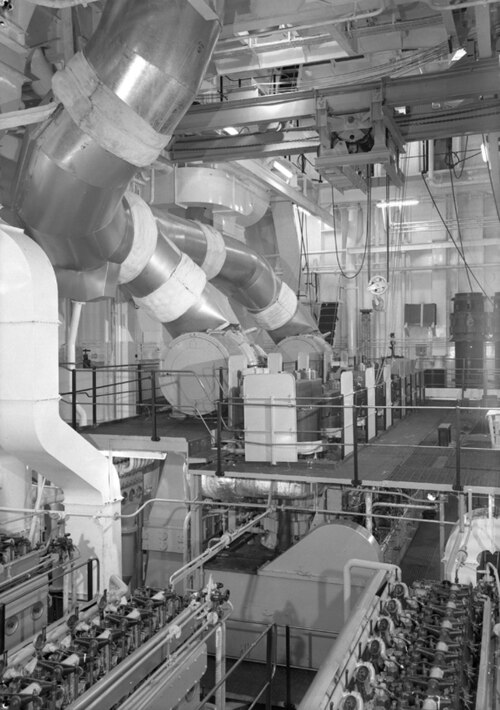 Marine
Reviewed for shipboard seawater duty, ballast and cooling lines, bonded joint systems, and offshore utility routes where corrosion resistance and lower installation weight are both relevant.
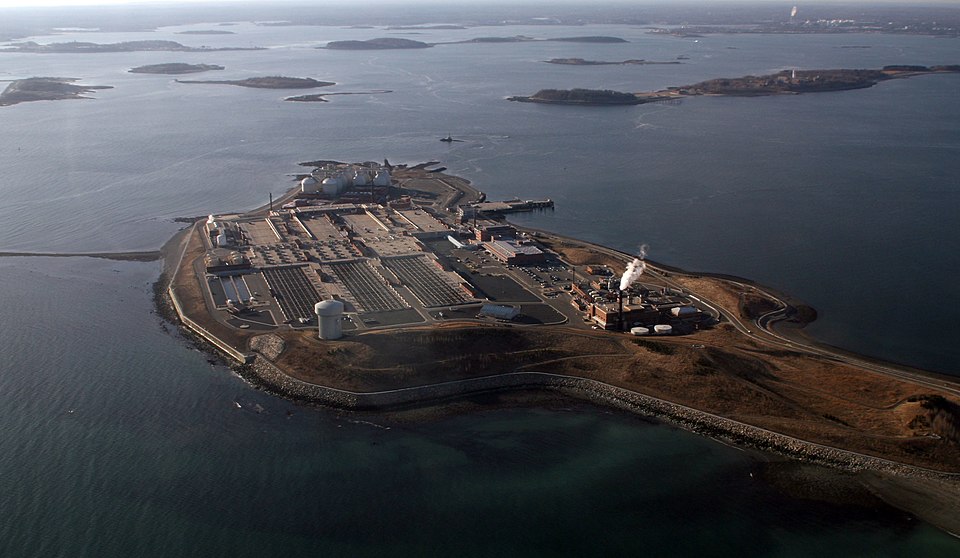 Water
WaterSuited to treatment blocks, desalination support, brine and saline utility routes, and plant systems where corrosion control and package completeness both affect the final specification.
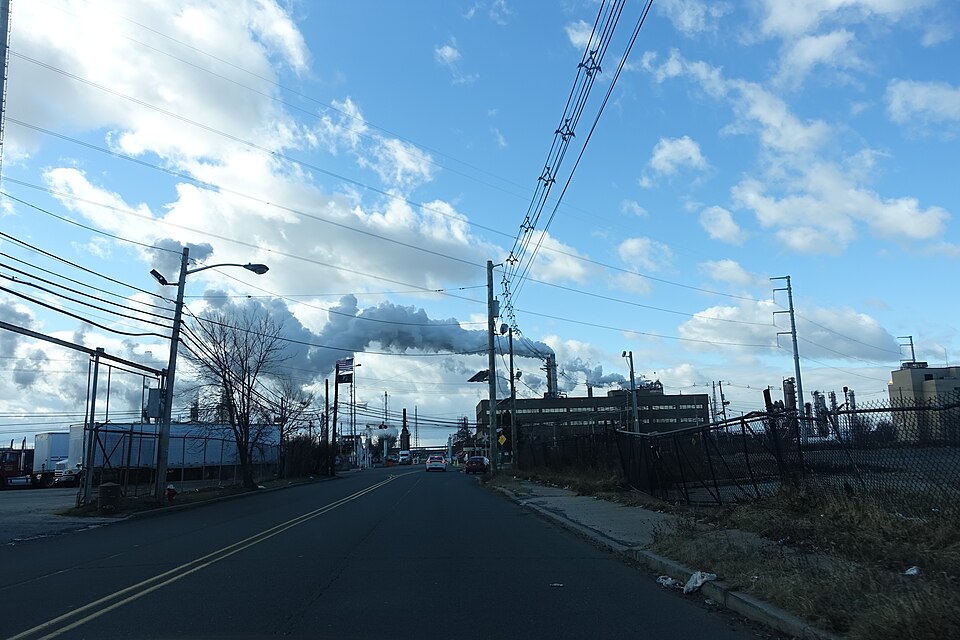 Chemical
Chosen for corrosive plant service, chemical transfer, and maintenance-sensitive utility routes where resin system, pressure class, and service media all shape material selection.
Material Comparison
This comparison is intended as a general selection view. Final material choice should still follow service media, pressure class, temperature, route conditions, and project specification.
| Selection Point | GRE / GRP / FRP | Carbon Steel | HDPE |
|---|---|---|---|
| Corrosion performance | Strong fit in seawater, saline, and many corrosive industrial services | Usually depends on coating, lining, or corrosion allowance strategy | Useful in many utility duties, but not chosen for every industrial envelope |
| Weight and handling | Lower structural weight than steel, useful for offshore and routed installs | Highest structural weight during handling and support planning | Very light for utility-focused handling and transport |
| Pressure and temperature route | Can be aligned to industrial pressure class and service-temperature targets | Broad mechanical envelope when corrosion protection is acceptable | Often selected for lower pressure and lower temperature utility service |
| Jointing and package scope | Bonded, threaded, flanged, laminated, and fittings package routes | Welded, flanged, and mechanical joining routes | Fusion and mechanical joining routes |
Call To Action
Send the service media, pressure class, temperature, route conditions, and fittings scope so we can review the most suitable product line for the project.
Inquiry email
Share product scope, application details, dimensions, pressure class, and destination market.Contact Hovoy